Feature
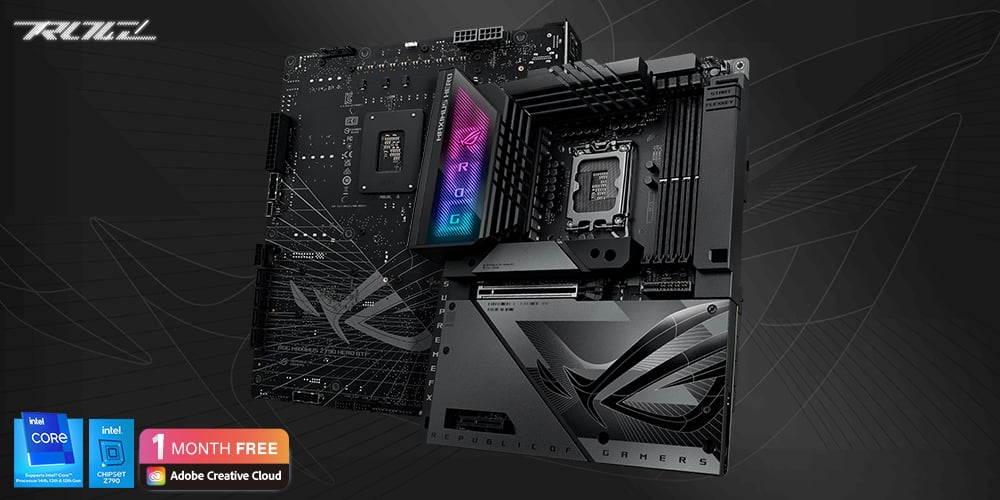
ROG Maximus Z790 Hero BTF
ROG Maximus Z790 Hero BTF is the first ROG motherboard with a hidden-connector design and graphics card high-power slot that delivers up to 600 watts of power for BTF graphics cards through the motherboard, providing an unprecedented level of cable management to PC DIY enthusiasts. It also boasts robust cooling, WiFi 7 and ample PCIe® 5.0 slots for unmatched performance, plus full compatibility with 14th Gen Intel® Core™ processors.
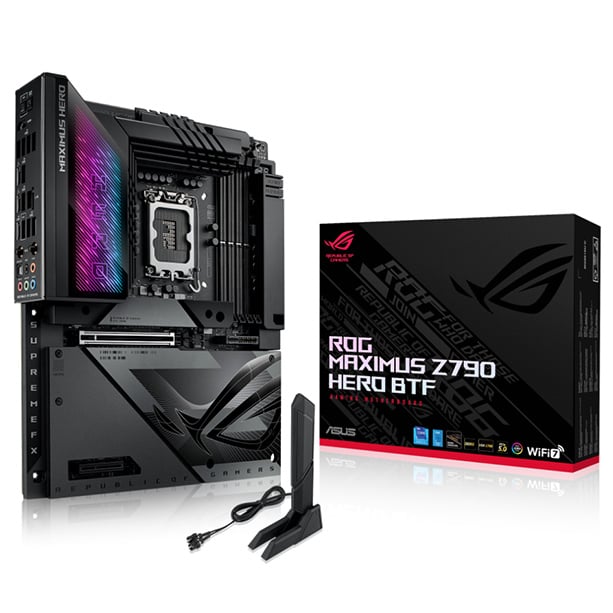
- Intel® LGA 1700 Socket: Ready for Intel® Core™ 14th & 13th Gen processors, Intel® Core™ 12th Gen, Pentium® Gold and Celeron® Processors
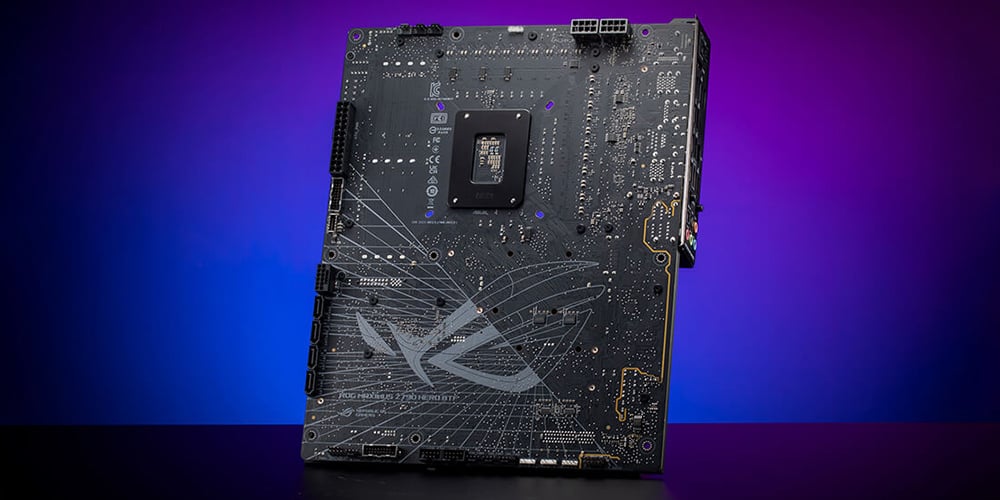
- Hidden-Connector Design: Delivers an unprecedented level of cable management to PC DIY enthusiasts
- Graphics Card High-Power Slot: Compatible with the PCIe® high-power connector on the graphics card, delivering up to 600 watts through the motherboard
- Robust Power Solution: 20+1+2 power stages with dual ProCool II power connectors, high-quality alloy chokes, and durable capacitors to support multi-core processors
- Optimized VRM Thermals: Massive heatsinks integrated with the I/O cover, joined by an L-shaped heatpipe, and connected to the power stages with high-conductivity thermal pads
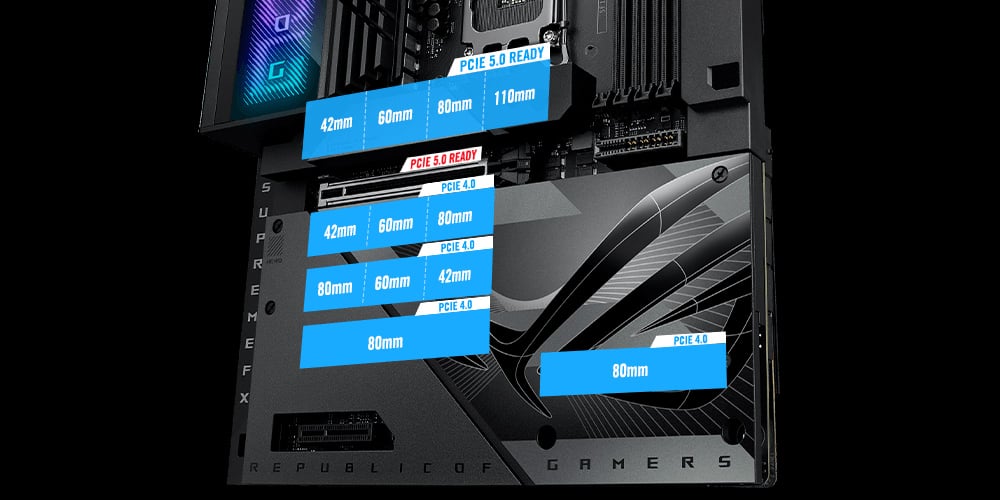
- Latest M.2 Support: Onboard PCIe® 5.0 M.2 slot, and four PCIe® 4.0 M.2 slots all with premium cooling solutions
- Abundant Connectivity: Dual Thunderbolt™ 4 USB Type-C® ports, USB 20Gbps Type-C® front-panel connector, six additional USB 10Gbps ports, PCIe 5.0 x16 SafeSlot, HDMI™ 2.1
- High-Performance Networking: On-board Intel® Wi-Fi 7 (802.11be) and Intel® 2.5 Gb Ethernet with ASUS LANGuard
- Intelligent Control: ASUS-exclusive AI Overclocking, AI Cooling II, AI Networking, Two-Way AI Noise Cancelation, AEMP II, and DIMM Flex to simplify setup and improve performance
- Immersive Audio: ROG SupremeFX ALC4082 codec with ESS® ES9218 Quad DAC for up to 32-Bit/384 kHz playback
- Unmatched Personalization: I/O cover with Polymo Lighting, three addressable Gen 2 headers and one RGB header, all configurable with ASUS-exclusive Aura Sync RGB lighting
- DIY Friendly Design: PCIe® Slot Q-Release Slim, M.2 Q-Latch, Q-Antenna, pre-mounted I/O shield, Q-Code, Q-LED, FlexKey button, Start button, BIOS FlashBack™ button, and Clear CMOS button
- Renowned Software: Bundled 1-year AIDA64 Extreme trial subscription and intuitive UEFI BIOS dashboard with integrated MemTest86
ADVANCED BTF DESIGN
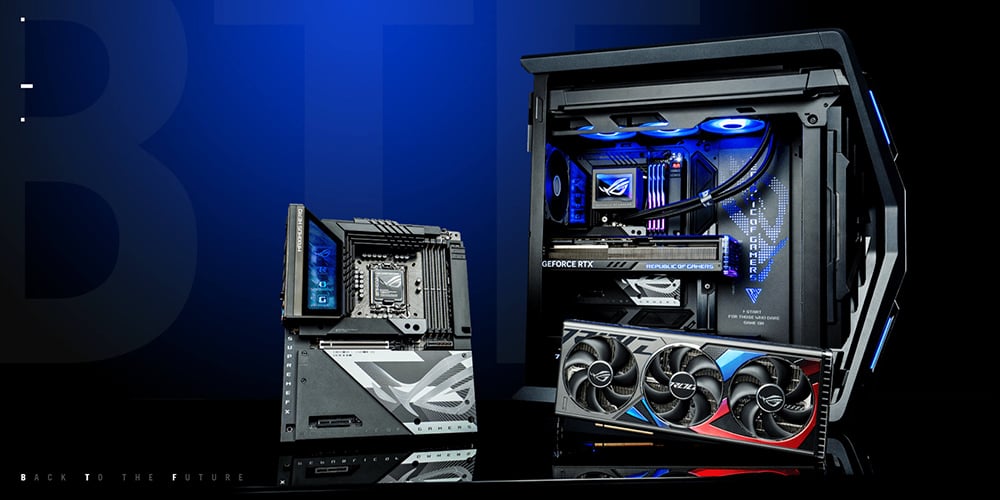
With the combination of a BTF graphics card, motherboard and chassis, you can enjoy a full hidden-connector experience. This Advanced BTF approach is achieved through the new graphics card high-power slot available on BTF motherboards, which can deliver up to 600 watts to BTF graphics cards. With a full set of BTF components, builders can eliminate visible cables for an extra-clean aesthetic.
HIDDEN-CONNECTOR DESIGN
The hidden-connector design can be ideal for first-time builders, because it provides easier cable management. The absence of visible cables also creates a clean and tidy look that would normally require an expert.
GRAPHICS CARD HIGH-POWER SLOT
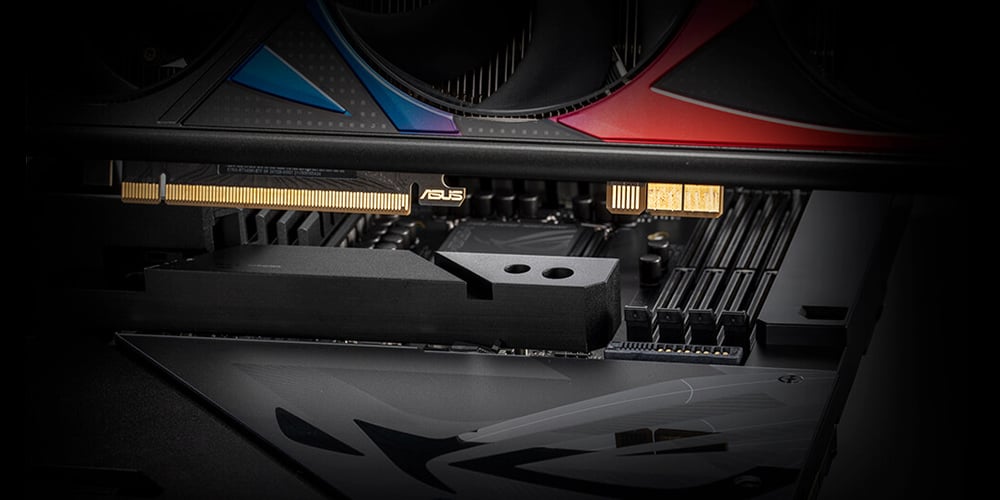
The graphics card high-power slot stands ready to supply all the wattage that a BTF graphics card needs. This special design can deliver up to 600 watts through the motherboard itself, eliminating the need for visible 8-pin or 16-pin power cables on the front.
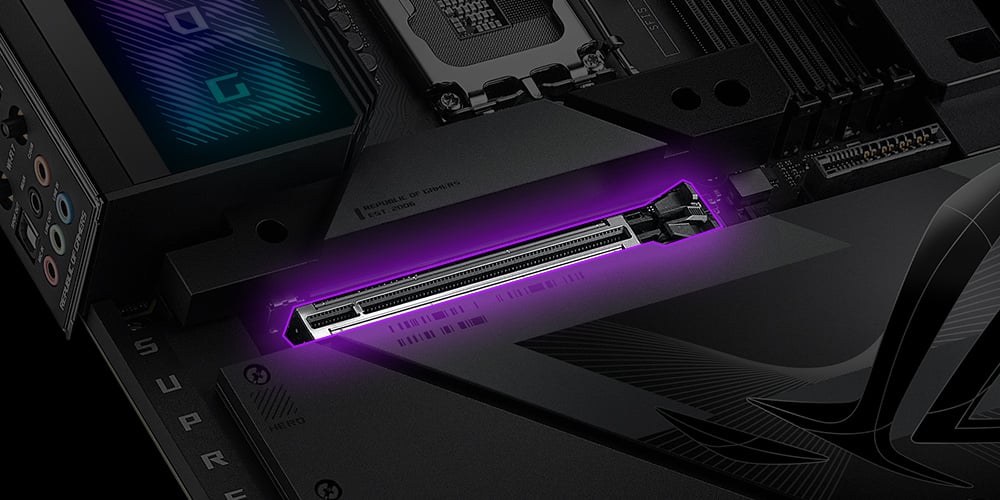
PCIE® SLOT Q-RELEASE SLIM
With PCIe® Slot Q-Release Slim, simply tilt the card toward the latching mechanism to automatically unlock it from the PCIe slot. This makes upgrades and maintenance easier than ever before. Users will no longer need to fiddle with a tricky latch or even press a button to release their graphics card from the slot.
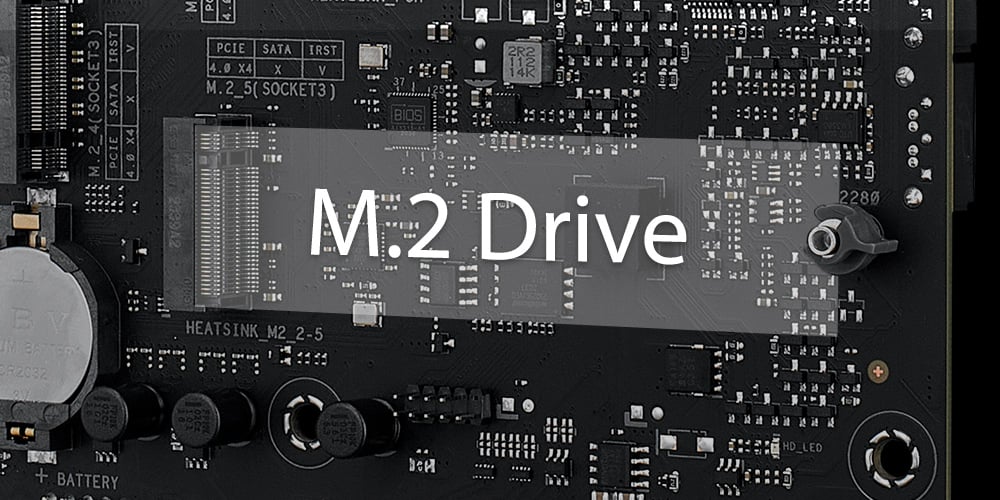
M.2 Q-LATCH
The innovative Q-Latch makes it easy to install or remove an M.2 SSD without the need for specific tools. The design employs a simple locking mechanism to secure the drive and neatly eliminate traditional screws.
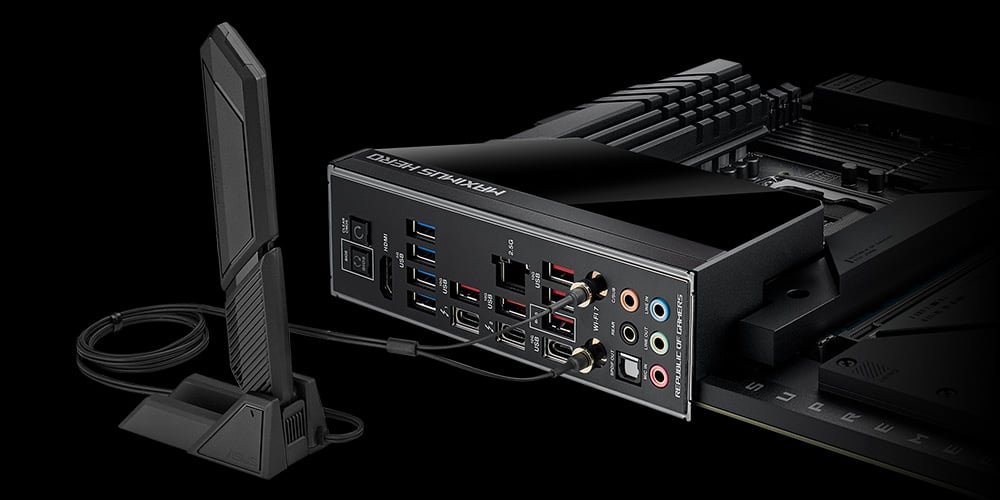
Q-ANTENNA
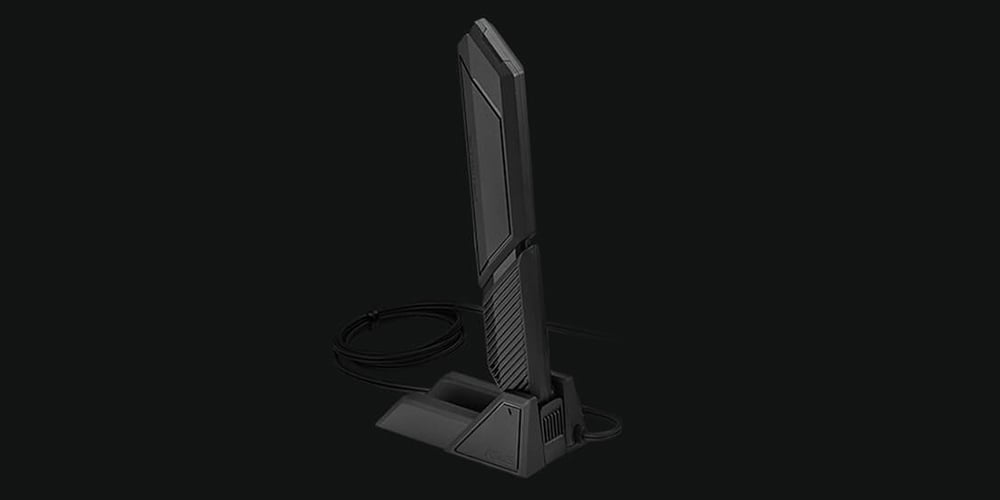
With Q-Antenna, attaching a WiFi antenna to your PC is now easy and fast. Instead of slowly rotating two fasteners until they finally lock in, they just snap into place. Less hassle, and more consistent performance.
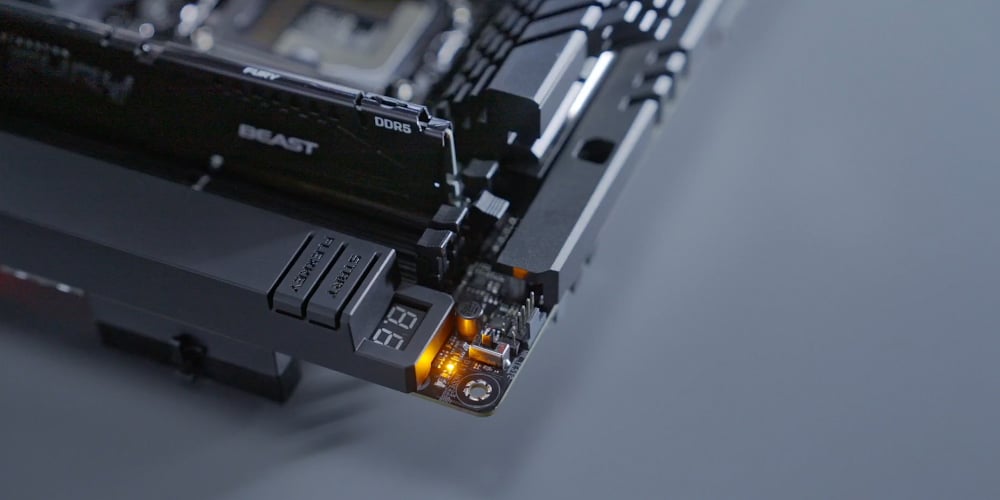
Q-LED
Q-LED is a set of troubleshooting lights to give PC builders quick indicators to confirm that key components ? CPU, RAM, graphics card, storage devices ? are functioning normally during startup. Q-LED can also alert them when memory modules have not been properly installed--even before attempting to boot a newly built PC.
AI OVERCLOCKING?
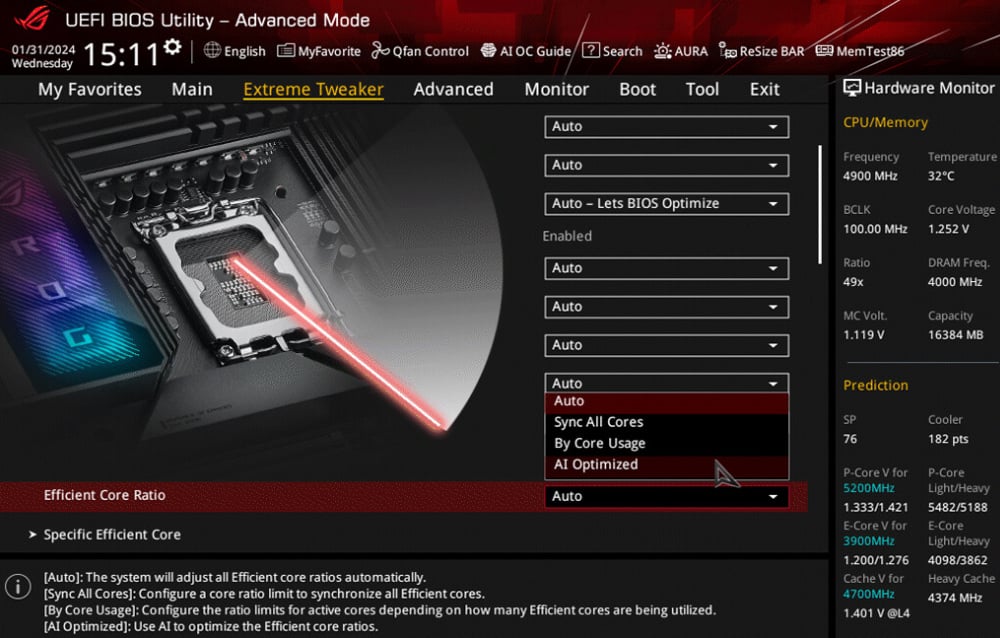
Tuning is now faster and smarter than ever before. ASUS AI Overclocking profiles the CPU and cooling to predict the optimal configuration and push the system to its limits. Predicted values can be engaged automatically or used as a launching ground for further experimentation.
DDR5 DOMINATION
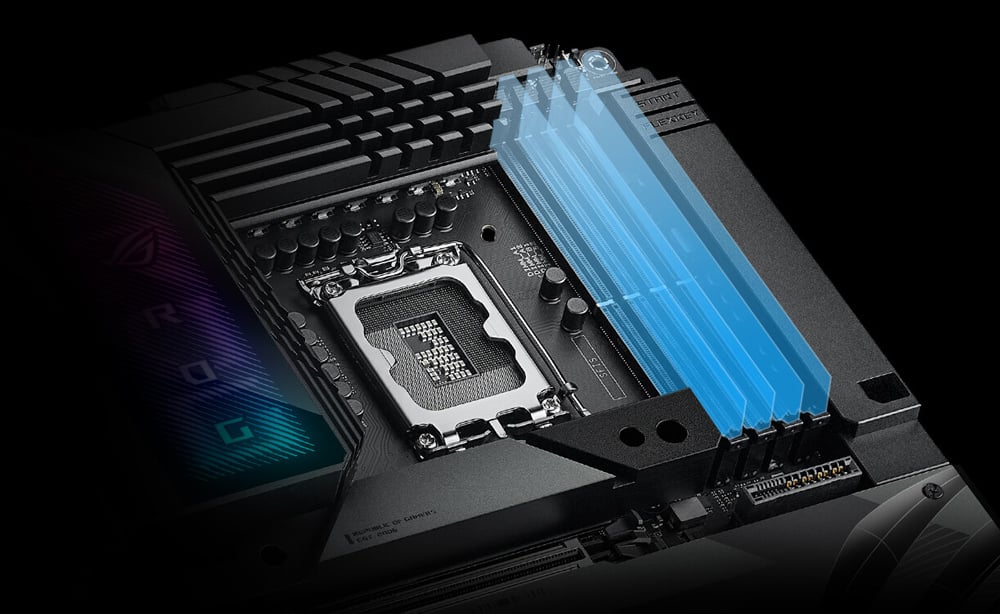
ROG has a long legacy of flexing the fastest memory performance, and DDR5 is no outlier. Thanks to improved signal routing, now enthusiast-grade kits have been driven far beyond the 8 GT/s mark on the Maximus Z790 Hero BTF, and who knows how far future DIMMs can go? Seasoned veterans can test their mettle by tinkering with the extensive array of tuning options in the UEFI.
DIMM FLEX
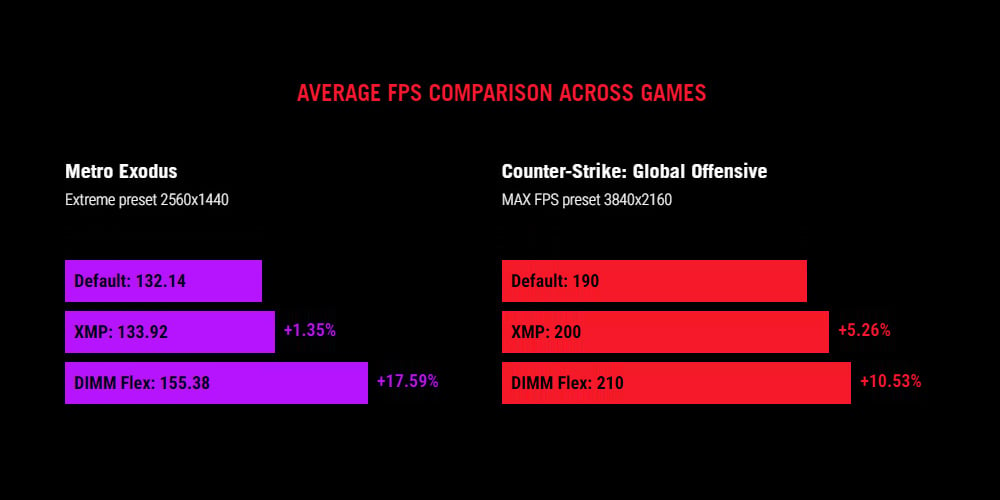
DIMM Flex provides enthusiasts with a powerful new way to overclock their DDR5 memory modules. It employs specialized circuitry that can boost performance or address potential stability issues, depending on temperature readings. When temperatures are nominal, it can use the extra headroom to increase speeds and efficiency. And when temperatures increase, it can adjust memory behavior downward to maintain stability.
* Results may vary according to the capabilities of your CPU, graphics card, motherboard, and memory modules.
** The comparison chart is based on a test with an Intel Core i9-14900K processor, ROG Strix Z790-E Gaming WiFi II, ROG Strix GeForce RTX™ 4090 OC Edition 24GB graphics card, and G.SKILL DDR5 memory modules (model F5-7200J3646F24GX2-TZ5RK).
AEMP II
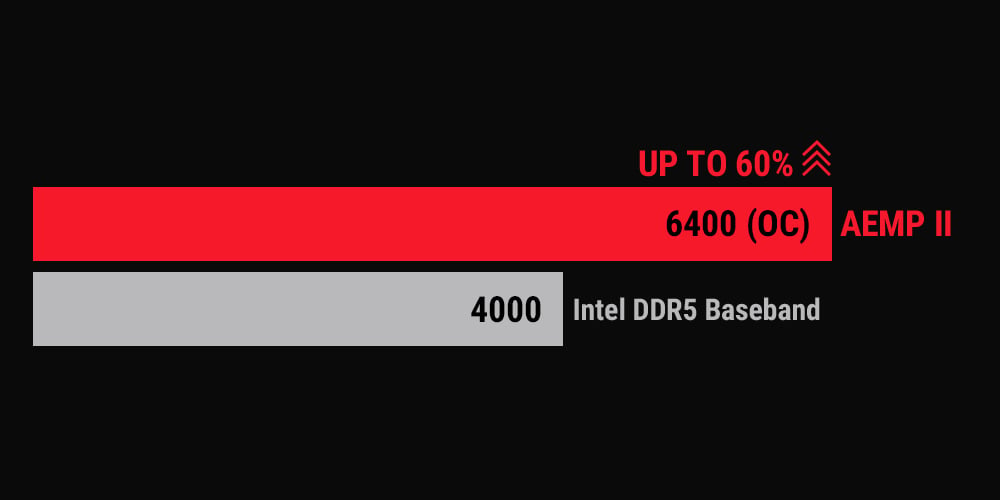
ASUS Enhanced Memory Profile II (AEMP II) is an exclusive firmware feature that allows users to achieve supreme memory performance and compatibility with optimized clock speeds, even when they're using PMIC-restricted memory modules that do not provide an XMP or EXPO profile. Developed through a flexible training method, AEMP II simplifies the process of fine-tuning memory settings beyond the baseline configuration, all while ensuring system stability. This applies whether you are maximizing the potential of an entry-level module or preparing a high-speed kit for ultimate performance.
Now, AEMP II offers even more flexibility. With the latest firmware update, AEMP II allows users to optimize the performance of a four-DIMM DDR5 RAM configuration, even with a mixture of different brands and dies. Increasing the memory capacity of your build by adding additional DIMMs has never been easier — with AEMP II, you can get optimized memory performance even when all four memory modules are not an exact match, provided that all four DIMMs have the same capacity.
* Results may vary according to the capabilities of your CPU and memory modules.
** The testing chart is based on a test with an Intel i9-14900K processor and 4x16 GB SK Hynix DDR5-5600 non-ECC UDIMMs, model HMCG78AGBUA081N?
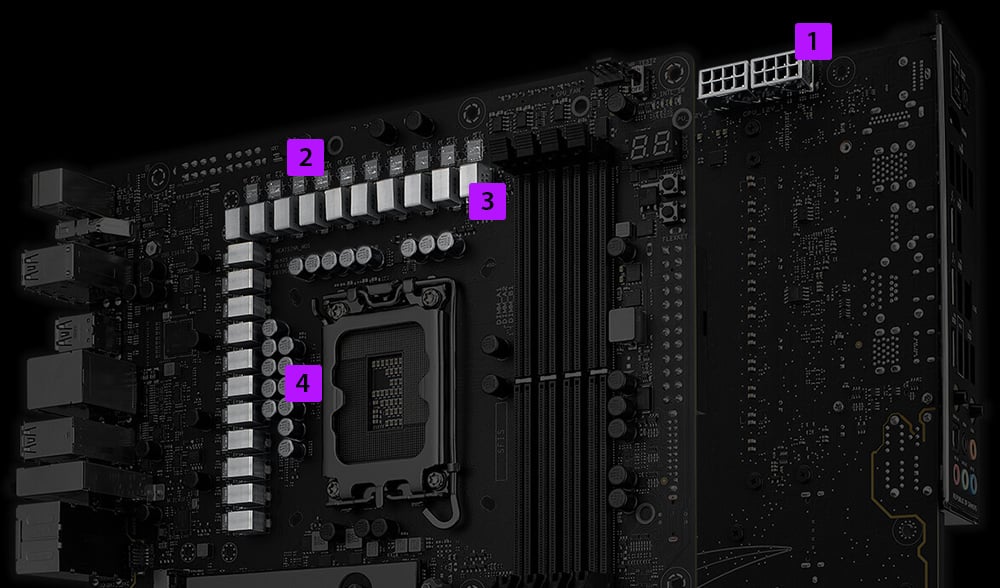
TEAMED POWER ARCHITECTURE
1 8 + 8-pin ProCool II power connectors
Dual ProCool connectors ensure a snug and reliable connection to the EPS 12V power lines.
2 20+1+2 power stages
The VRM features 20+1+2 power stages, each rated to handle up to 90 amps.
3 MicroFine alloy chokes
Each power stage is accompanied by a high-permeability alloy-core choke rated to handle 45 amps.
4 10K black metallic capacitors
Input and output filtering is provided by solid-polymer capacitors rated to last thousands of hours at high operating temperatures.
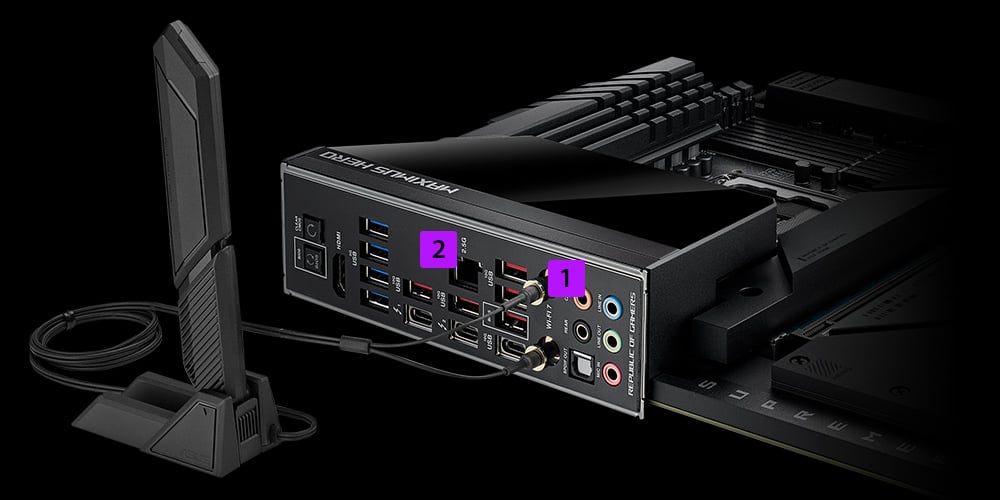
1 WIFI 7
Next-gen WiFi 7* chipset introduces all-new ultrawide 320 MHz channel bandwidth in the 6 GHz band and 4096 QAM, delivering up to 2.4X ultra-fast WiFi speeds**. The revolutionary Multi-Link Operation (MLO) provides a more stable WiFi connection and lower latency, unlocking the realms of the unknown in gaming, streaming, and industrial IoT.
* WiFi 7 features require onboard WiFi chipset, WiFi AP, and WiFi 7-supported operating systems to support the corresponding features. The 320 Mhz in the 6 GHz band may be unavailable in some regions / countries due to regulatory restrictions. Expected support for Multi-Link Operation (MLO) will be available later this year (October 2023). Please visit the ASUS support page for more information.
** Compared to WiFi 6E
2 2.5G ETHERNET
Low-latency gaming, speedy file transfers, and high-resolution video streaming are among the many perks of onboard Intel® 2.5 Gbps Ethernet.
ASUS WIFI Q-ANTENNA
Dual transceivers support the 2.4, 5 and 6 GHz bands to enable faster throughput, with directional sensitivity to improve signal quality and cover greater distances.
Wireless Signal Reception Improvement
Versus previous-generation antenna
FAST CHECK
Armoury Crate’s Fast Check empowers users to rapidly detect WiFi signal strength.
DIRECTION FINDER
Armoury Crate’s Direction Finder* helps users detect the optimal antenna orientation for achieving the best WiFi signal strength.
* The Direction Finder is only compatible with connections in the 5GHz and 6GHz bands
PCIE 5.0
Fully embracing the new standard, the ROG Maximus Z790 Hero BTF offers abundant Gen 5 support to give unfettered bandwidth to the fastest SSDs and graphics cards available.
Five onboard M.2 Slots
The ROG Maximus Z790 Hero BTF features five onboard M.2 slots, one of which is PCIe 5.0-ready to offer blistering 16 GB/s speeds, while the others offer still-impressive 8 GB/s over PCIe 4.0 interfaces.
Expansion Slot
The x16 expansion slot gets the PCIe 5.0 treatment to unlock incredible speeds up to 64 GB/s for compatible devices. To bear the brunt of massive graphics cards, it is also protected with a SafeSlot retention bracket. And cards can be removed easily, thanks to PCIe® Slot Q-Release Slim.